
JAALI
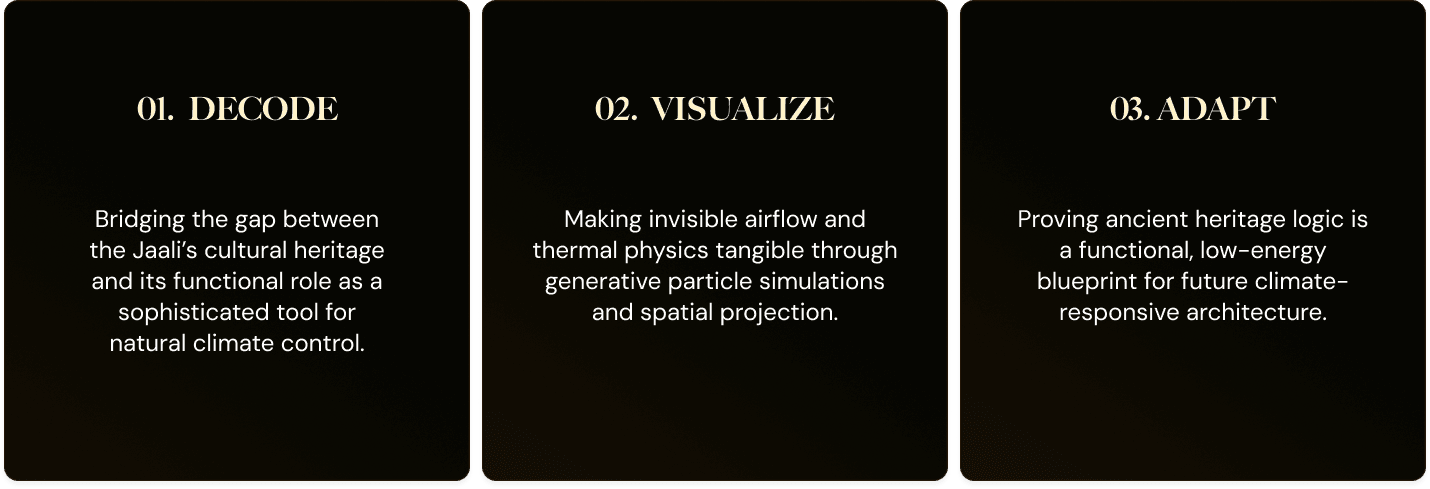
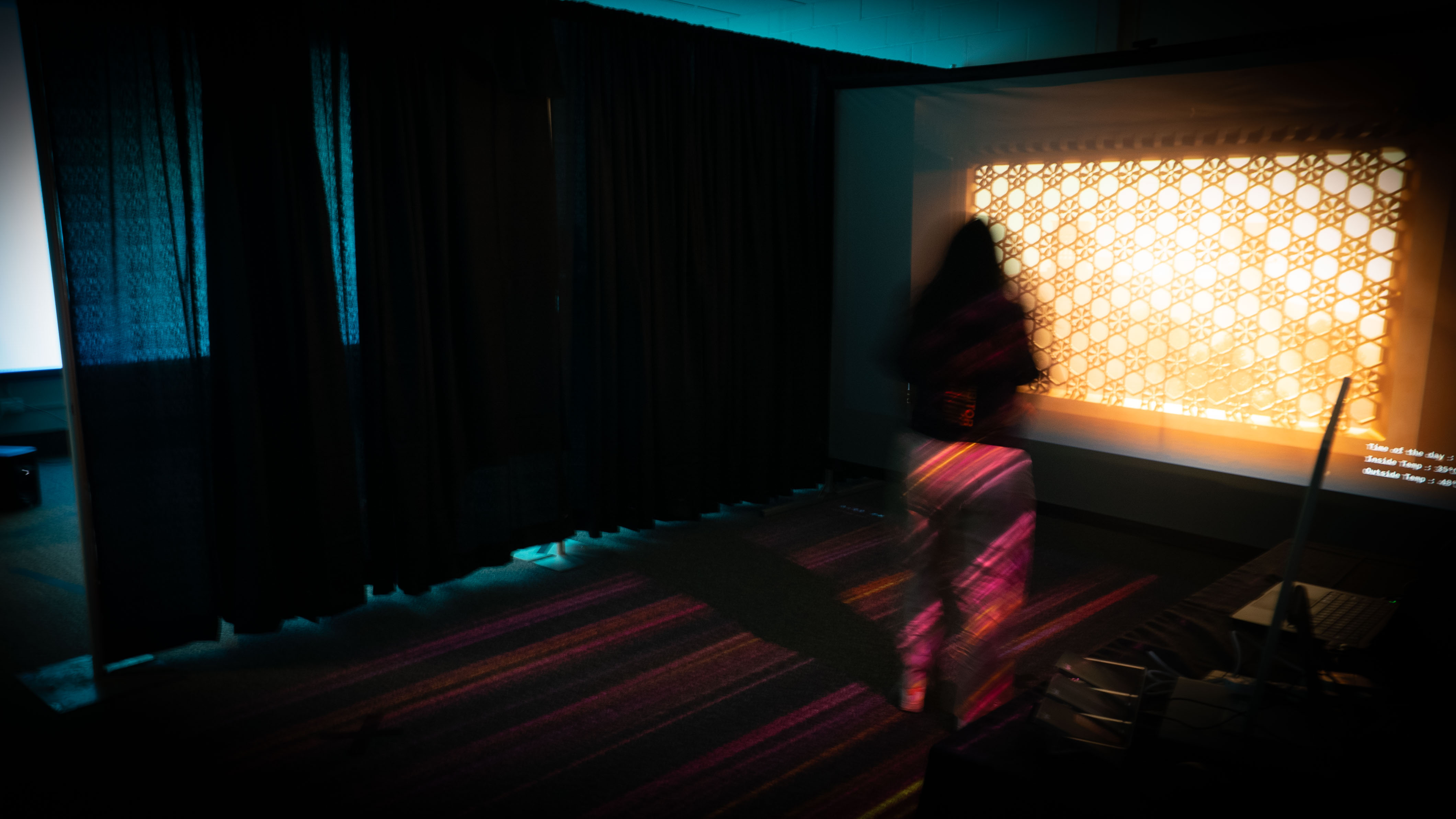
India’s perforated screens are more than just beautiful patterns - they are 'breathing walls' designed to cool buildings. This project makes the invisible physics of these screens visible through an interactive installation.
One principle. Three walls. Three climates.
These are 3 different walls - across 3 diff regions of India with completely diff climate, material they use and the patterns that belong
to the region but work on the same principle. Each chapter has a name based on how the air moves through it.
CONCENTRATES
Chapter- 1 | Rajasthan · Desert · Sandstone
WEAVES
Chapter- 2 | Delhi · Urban · Redstone
BREATHES
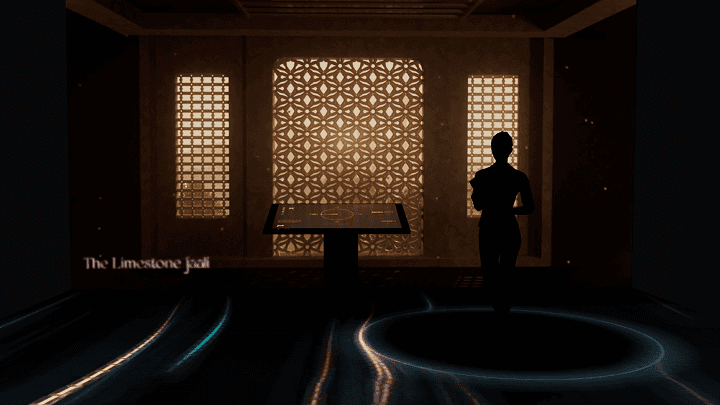
Chapter- 3 | Gujarat · Coastal · Limestone
Walls, throughout the day.
Chapter 1 - Rajasthan.
9am
12pm
3pm
6pm
Chapter 2 - Delhi
9am
12pm
3pm
6pm
Chapter 3 - Gujarat
9am
12pm
3pm
6pm
The Effect through time
The same chapter through 4 different times the variation in wind simulations.
These are the wind simulations - built with generative code.
9am
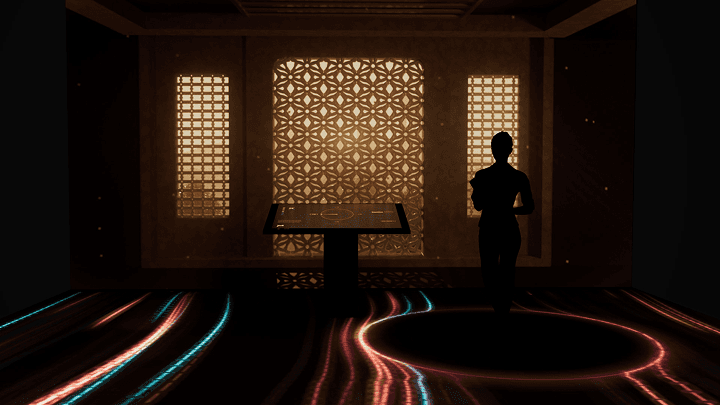
12pm
PEAK VOLUME AT MAXIMUM HEAT
At 3PM, the particle density is at its highest. That depicts that The wall working hardest to cool the room and that particle density varies across different time depending on the cooling effect required.
HUMAN PRESENCE DETECTION
The system detects a person to make them feel like the wind is moving around them
WHAT THE COLOR REPRESENT?
Warm : Radiant heat source.
Cool : Atmospheric relief.
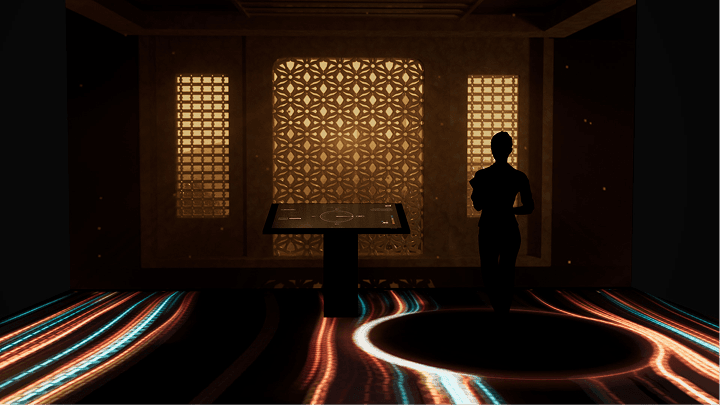
3pm
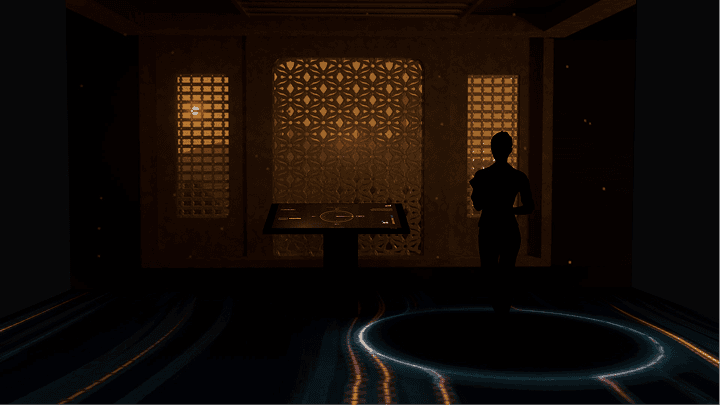
6pm
The Interactive Interface
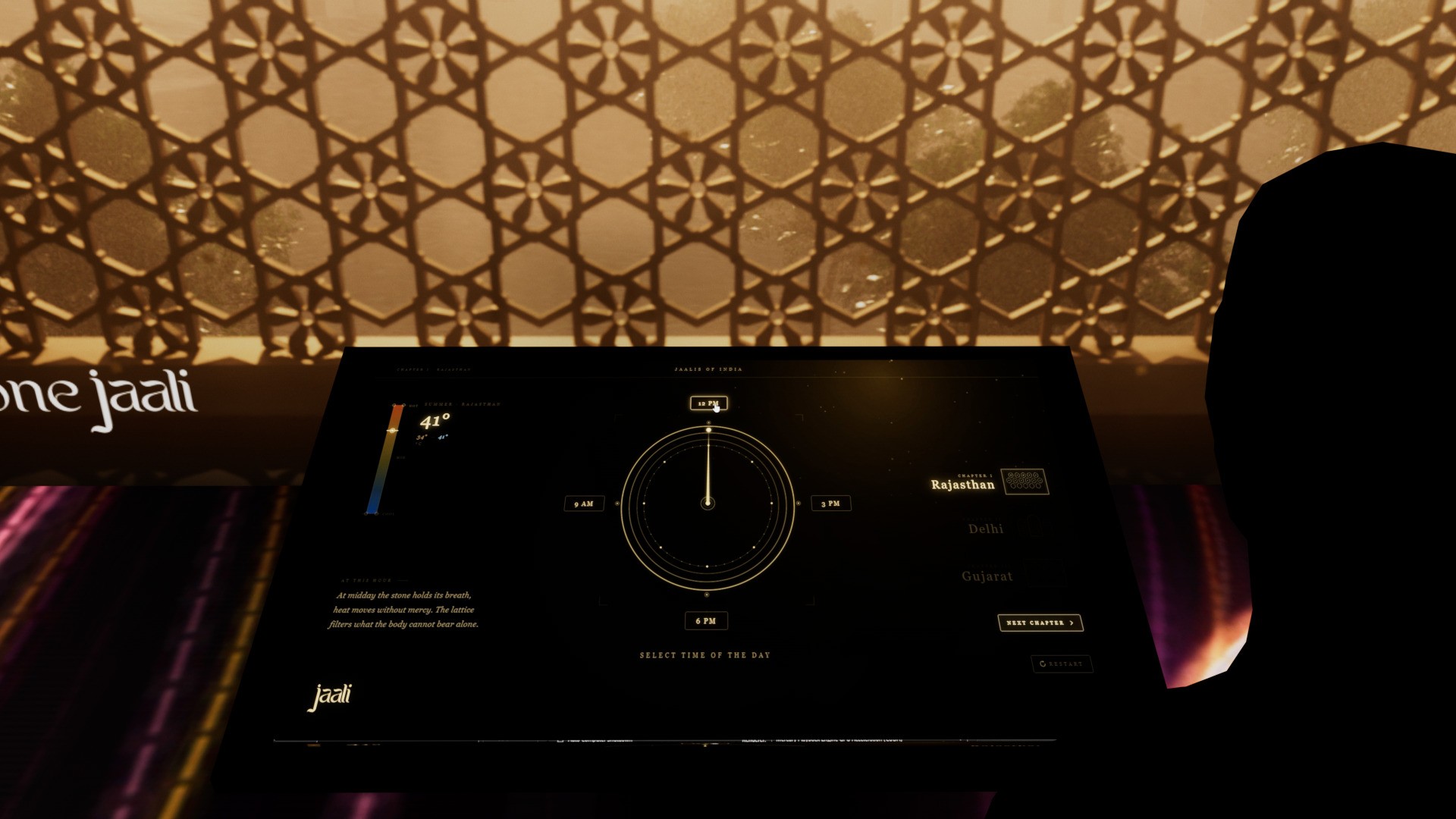
Every decision in the kiosk was intentional. Time is shown as a dial- the way time is told historically. Temperature is shown as a gradient and each hour has one line of poetry - because poetry tells you what it felt like.
Design Evolution
Worked with various designs for the wall, the wall went through multiple lighting iterations. The simulation moved through three different tools before landing on code - And the interface evolved from a slider to a sundial.
Every iteration taught me something research couldn't.
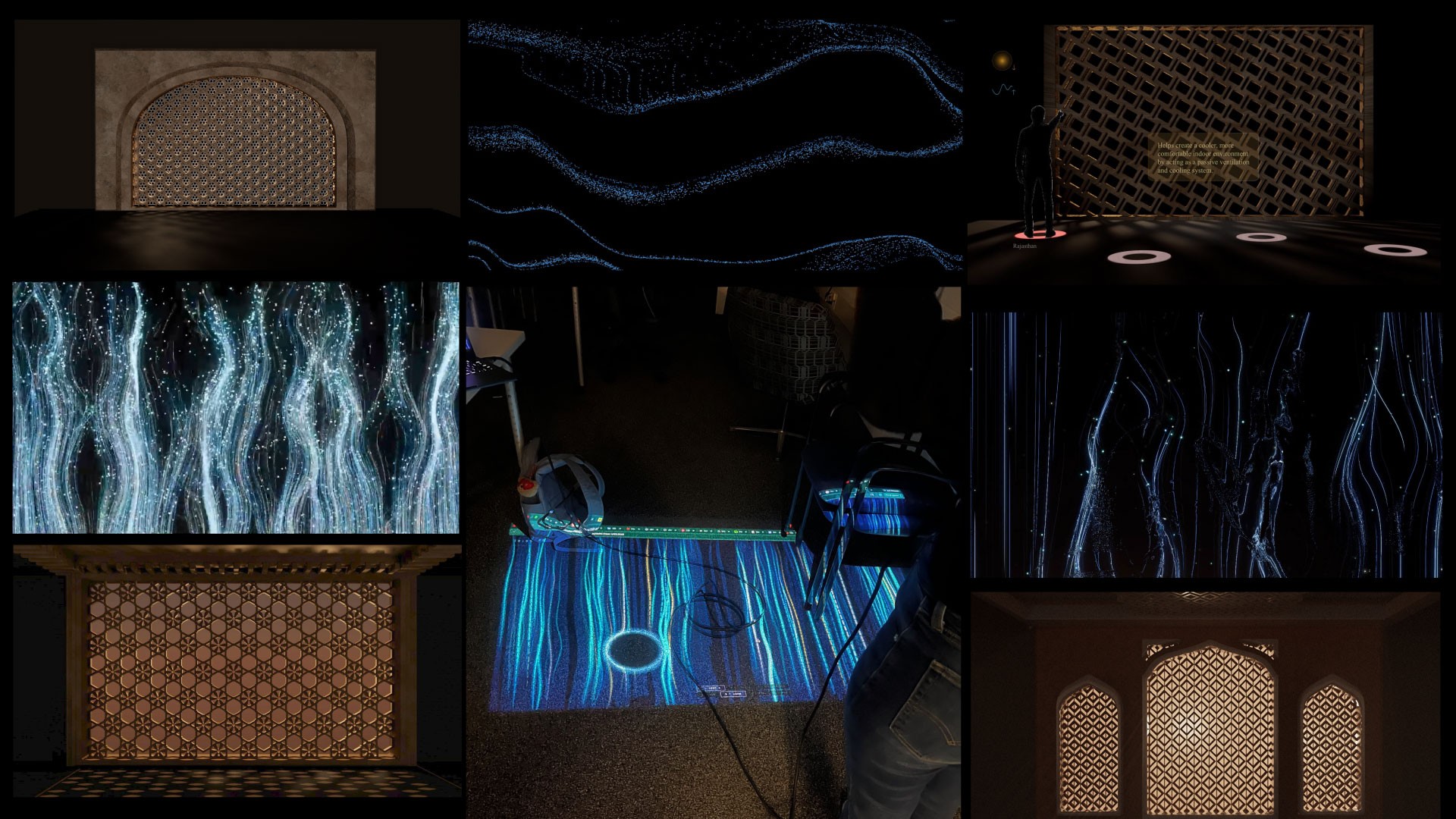
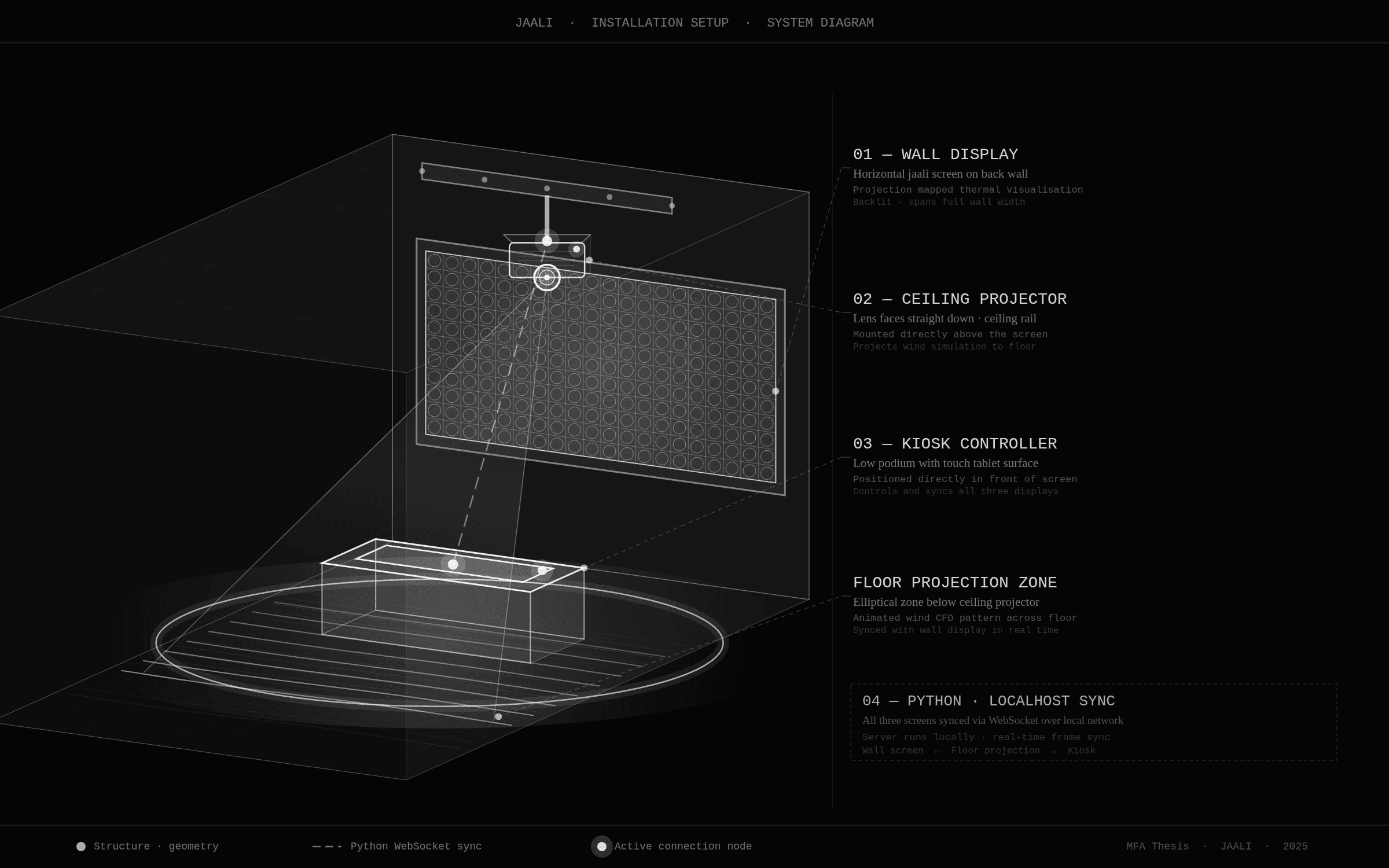
Wall, Floor and You.
Design Evolution
Worked with various designs for the wall, the wall went through multiple lighting iterations. The simulation moved through three different tools before landing on code - And the interface evolved from a slider to a sundial.
Every iteration taught me something research couldn't.